If you’ve ever looked out at your lawn in the middle of summer and wondered how one weed managed to throw such a successful neighborhood block party, there’s a good chance you’re looking at crabgrass.
Crabgrass is one of the most common lawn weeds in North Texas. It grows fast, spreads aggressively, and has a talent for appearing exactly where you’d rather it didn’t. By the time most homeowners notice it, the weed has already settled in like an unwanted houseguest who somehow found the spare key.
The good news? Crabgrass can be controlled. The better news? Understanding how it grows makes getting rid of it much easier.
First: What Crabgrass Actually Is
Crabgrass is a warm-season annual weed that thrives when your lawn is stressed, thin, or struggling.
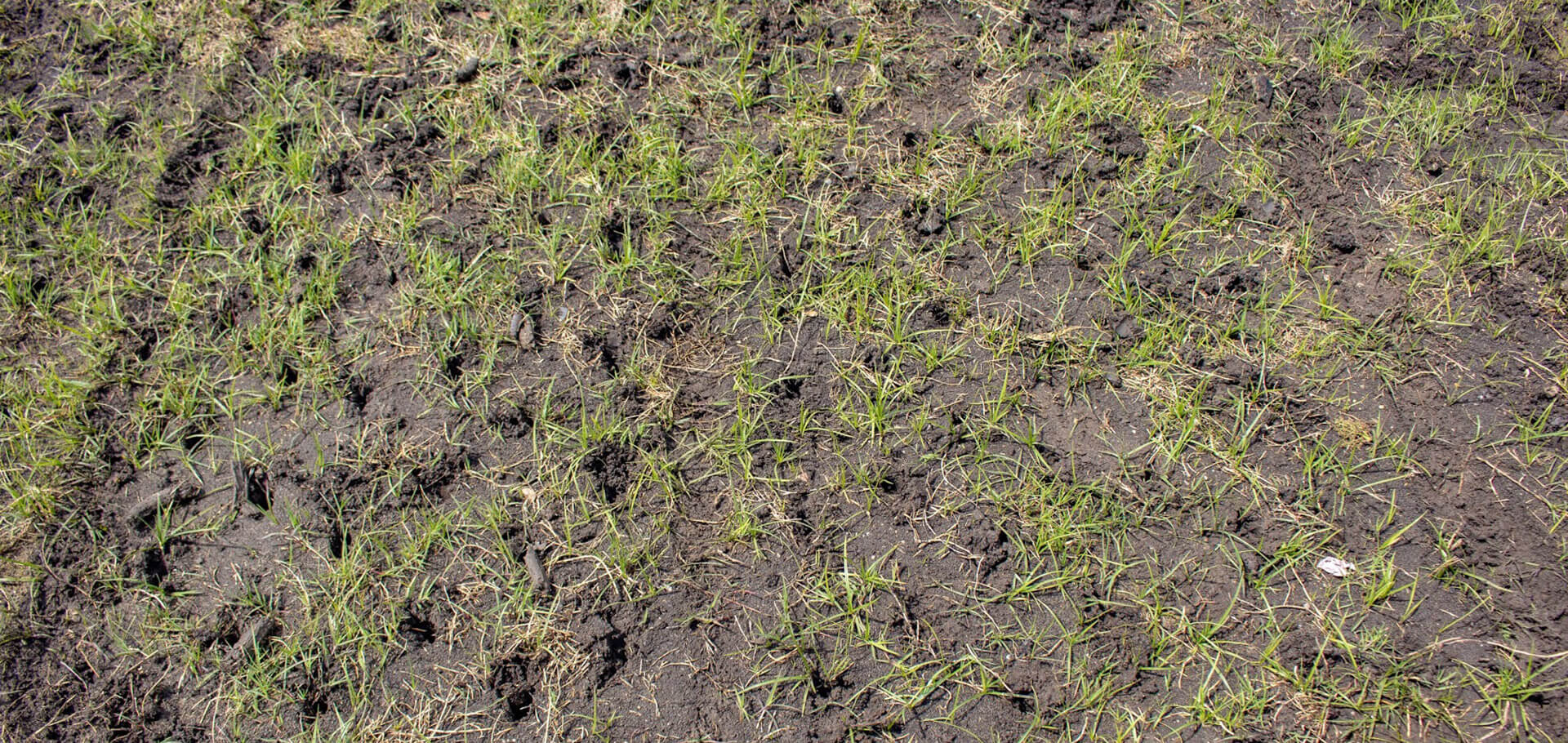
It grows low and outward, with coarse blades that spread in a star-like pattern. Once summer heat arrives, it moves aggressively because your actual turf grass is often too stressed to compete.
Crabgrass is less of a “bad luck” problem and more of an opportunist.
Healthy, dense turf is difficult for it to invade.
Thin Bermuda? Open St. Augustine? Bare spots from compaction or runoff? That’s basically a handwritten invitation.
Why Crabgrass Loves North Texas Lawns
North Texas gives crabgrass several things it enjoys:
- Long heat stretches
- Compacted clay soil
- Water runoff
- Thin summer turf
- Scalped mowing
- Inconsistent watering
And clay soil adds its own special wrinkle.
Clay absorbs water slowly but holds it extremely well once saturated. So many homeowners water heavily, see runoff, assume the lawn got enough water, and end up with stressed turf anyway.
Meanwhile, crabgrass sits there thinking, “Excellent. Chaos.”
The Biggest Mistake Homeowners Make
Most people focus entirely on killing crabgrass.
The smarter move is figuring out why it had room to grow in the first place.
Because if the lawn stays thin and stressed, more crabgrass is coming. Possibly with friends.
That’s why long-term control is really about improving lawn density and reducing stress.
The herbicide matters. But the lawn health matters more.
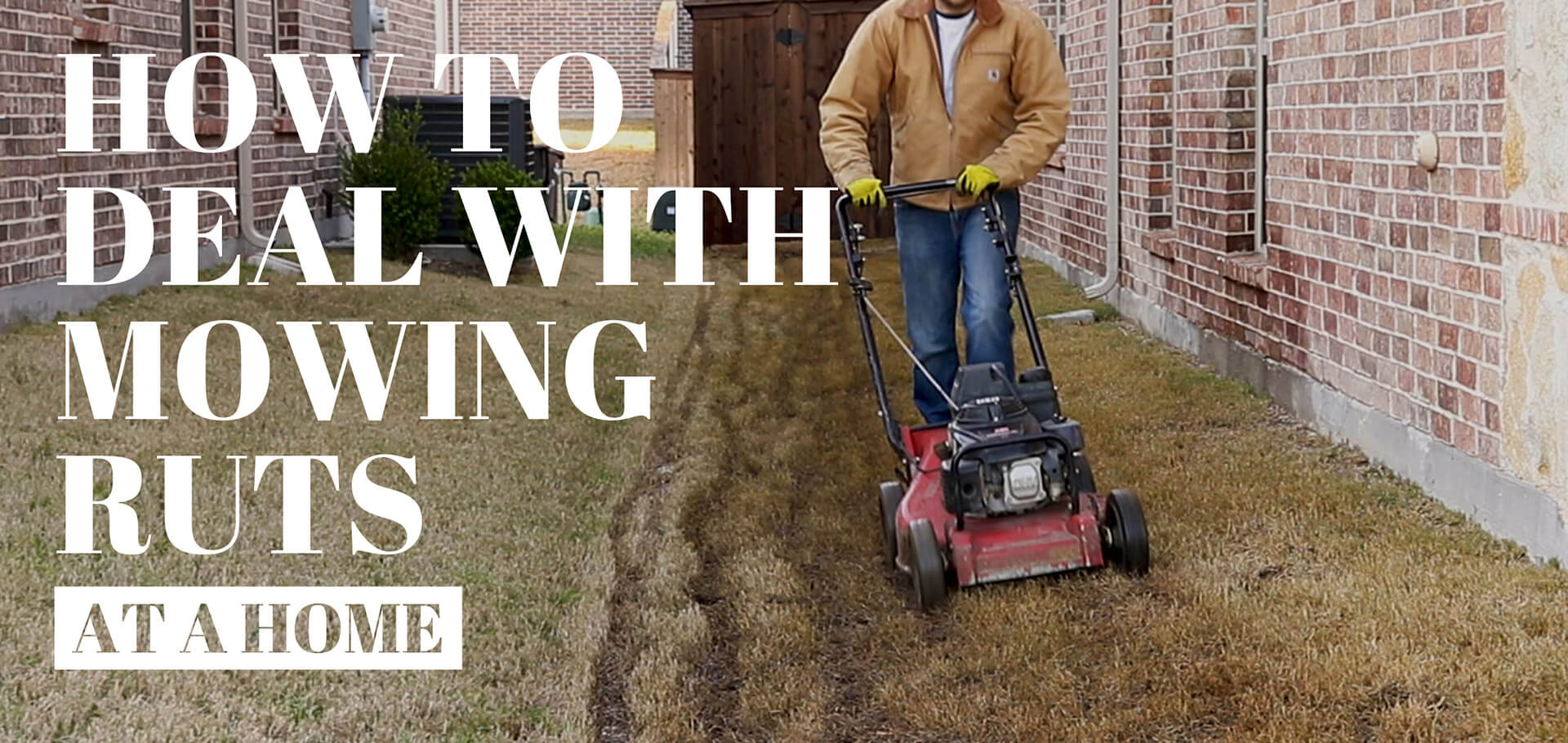
Mowing Height Matters More Than People Realize
This is one of the sneakiest causes of crabgrass problems in DFW.
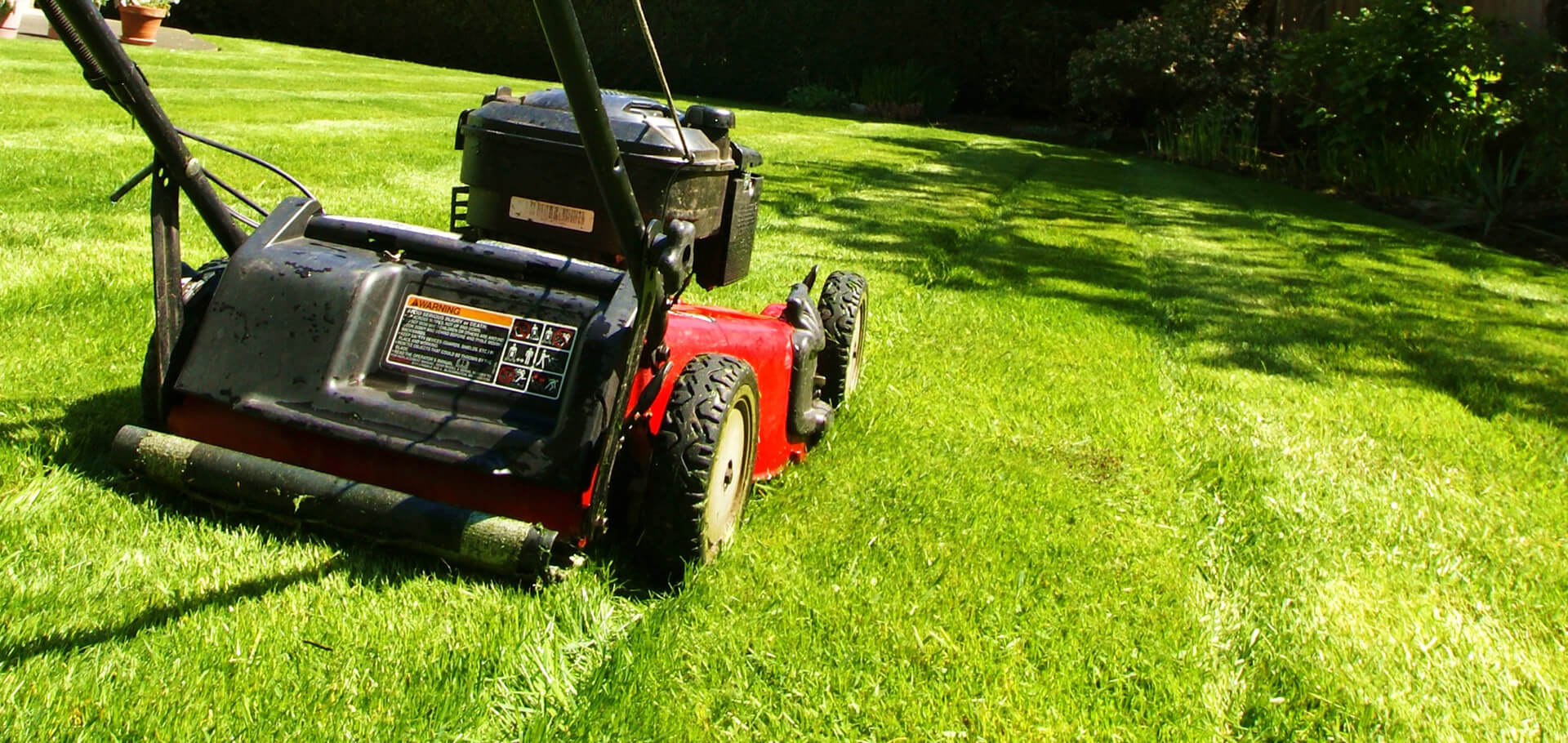
People mow too short in summer because they think shorter grass looks cleaner or needs less mowing.
Unfortunately, short turf:
- loses moisture faster
- exposes soil to sunlight
- weakens root systems
- creates openings for weeds
Crabgrass absolutely loves exposed soil and extra sunlight.
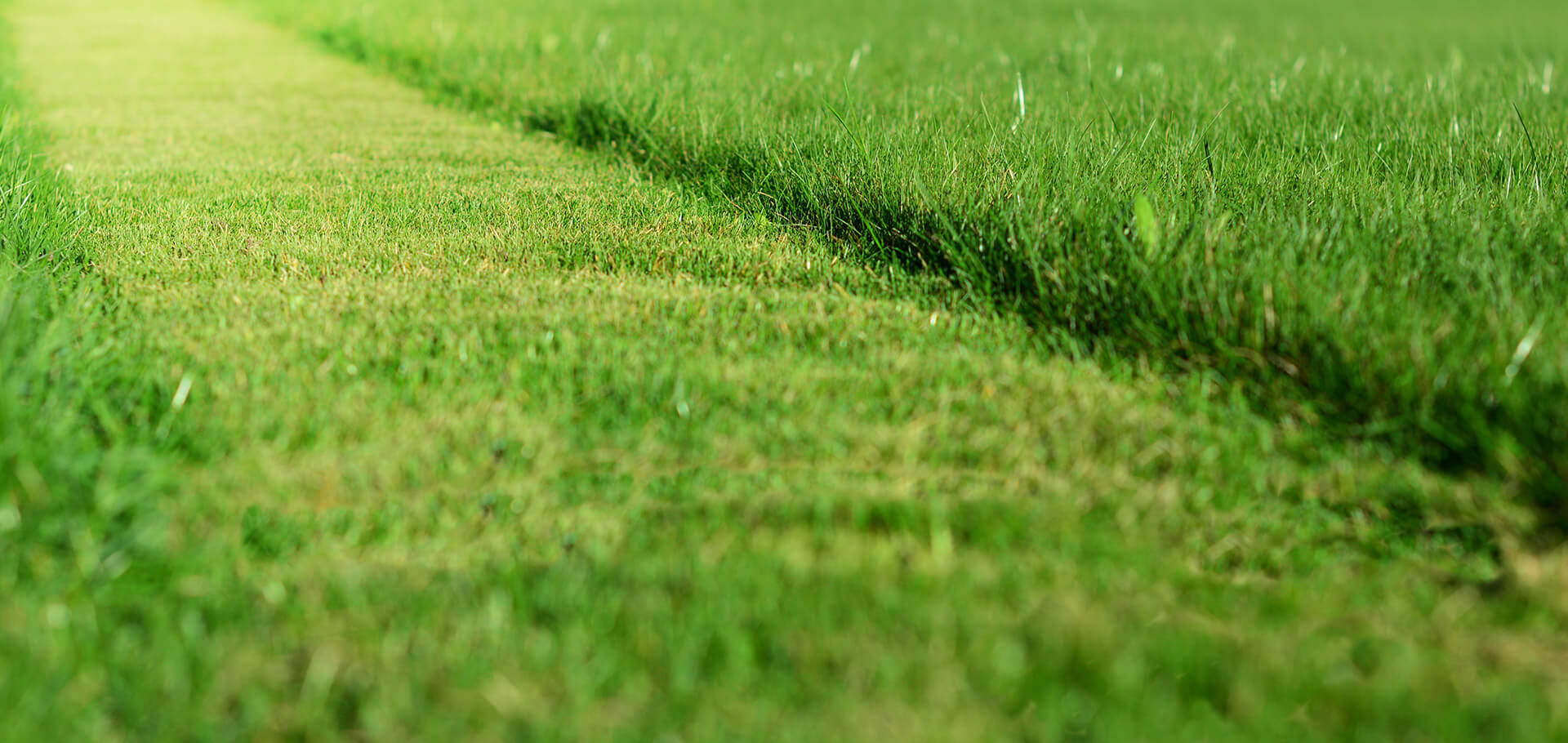
A thicker, slightly taller lawn creates shade at the soil level, which naturally suppresses weed growth.
In other words, your mower height can either help your lawn compete or quietly betray it.
Pre-Emergent Helps—But Timing Is Everything
Pre-emergent is one of the best defenses against crabgrass, but it has to go down before the seeds germinate.
By June, that window has usually passed.
At this point, post-emergent control and turf recovery become the priority.
That’s why spring timing matters so much in North Texas. Once soil temperatures warm consistently, crabgrass gets moving quickly.
And around here, “quickly” is practically a regional hobby.
Watering the Right Way
Crabgrass thrives in lawns that swing between drought stress and shallow watering.
The goal is deep, balanced watering that supports healthy roots.
But with clay soil, that often means watering in cycles instead of dumping all the water down at once.
If you see runoff heading toward the sidewalk while the soil underneath still feels dry later that day, the lawn probably isn’t absorbing water properly.
That can point to:
- compaction
- hydrophobic soil
- watering too fast
- or poor cycle timing
A lawn that absorbs water properly grows thicker. Thicker turf crowds weeds out naturally.
That’s the long game.
What About Pulling It By Hand?
If it’s a small patch, hand-pulling can absolutely help.
But mature crabgrass spreads low and wide with a surprisingly stubborn root system. Pulling large infestations by hand is a little like trying to empty Lake Lewisville with a cereal bowl.
Possible in theory. Not efficient in practice.
The Real Secret: Dense Turf Wins
The healthiest lawns in DFW are not weed-free because they’re constantly sprayed.
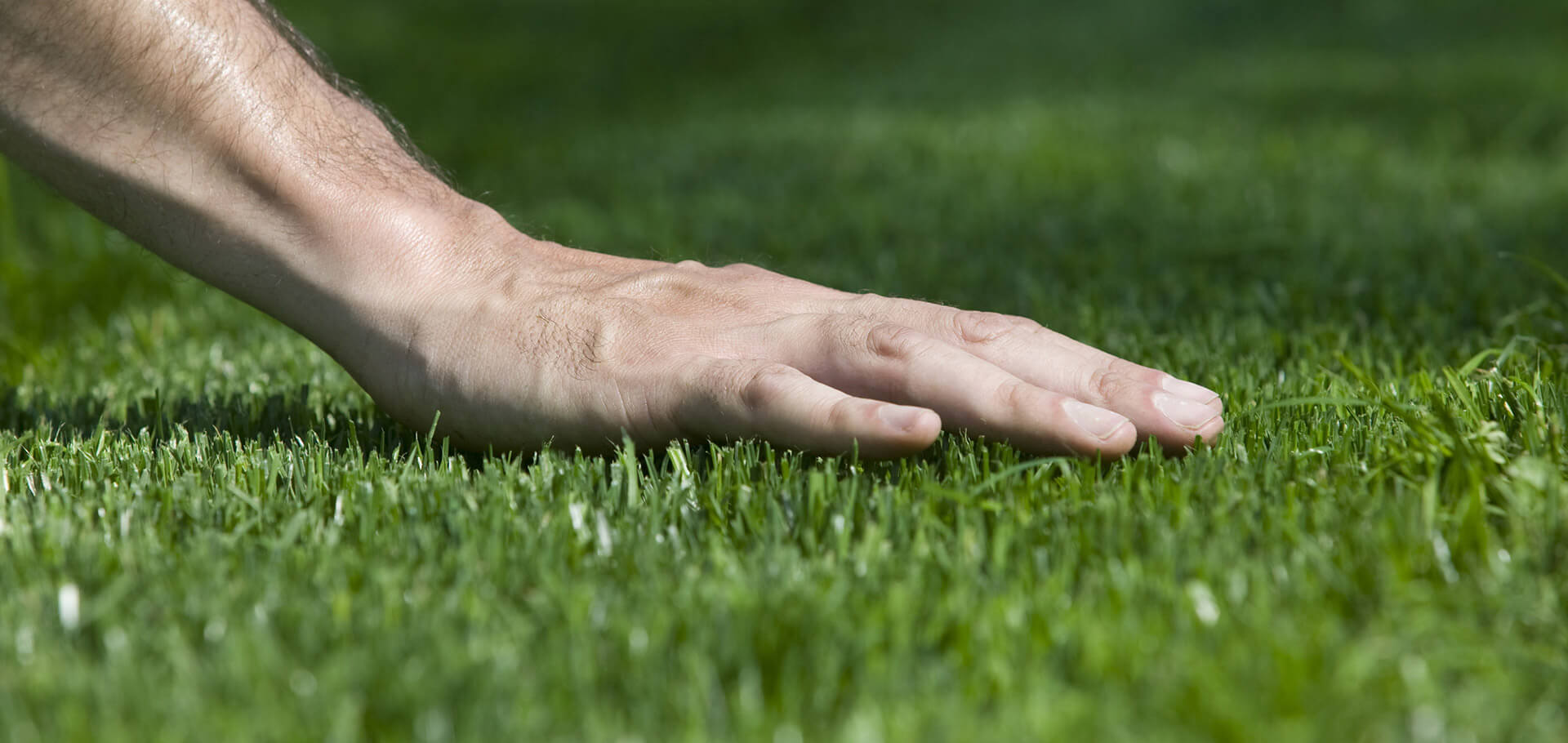
They’re weed-resistant because thick turf leaves very little room for invasion.
That means:
- proper mowing
- consistent watering
- reducing compaction
- healthy fertilization
- and managing stress during heat waves
Crabgrass is usually a symptom before it’s the actual problem.
The Bottom Line
If crabgrass is taking over your lawn, don’t panic.
It doesn’t mean your yard is ruined. It usually means your turf is stressed and the weeds noticed before you did.
The fix is rarely one magic product.
It’s improving the conditions that let your grass compete again.
And fortunately, healthy grass is surprisingly good at holding its ground once you give it a fighting chance.
Ready to Take Back Your Lawn?
If crabgrass is spreading faster than your patience, we can help.
We’ll identify what’s causing the problem, improve the turf conditions underneath it, and build a lawn thick enough to make weeds work a lot harder for a living.