If you’ve spent more than ten minutes trying to improve your lawn in North Texas, you’ve probably run into this question: Should I do liquid aeration or core aeration?
And if you’ve spent more than fifteen minutes, you’ve probably noticed that every answer sounds suspiciously like it was written by someone selling one of the two.
So let’s sort out this aeration debate the way a practical neighbor would. No hype. Just what’s going on under your grass and what actually helps.
First, the Real Problem: North Texas Soil Compaction
Most North Texas lawns sit on clay soil—dense, stubborn, and resistant to water. Aeration addresses this directly by creating pathways for air, water, and nutrients to reach the root zone.
Over time, that soil gets compacted by foot traffic, mowing, kids, and dogs. The air pockets disappear, water struggles to penetrate, and roots stay shallow.
The University of Georgia Extension notes that soil aeration is one of the most important practices for maintaining a healthy lawn in clay-heavy regions.
What Core Aeration Actually Does for Your Lawn
Core aeration uses a machine to pull small plugs of soil out of your lawn, leaving little holes that allow air, water, and nutrients to move deeper into the ground.
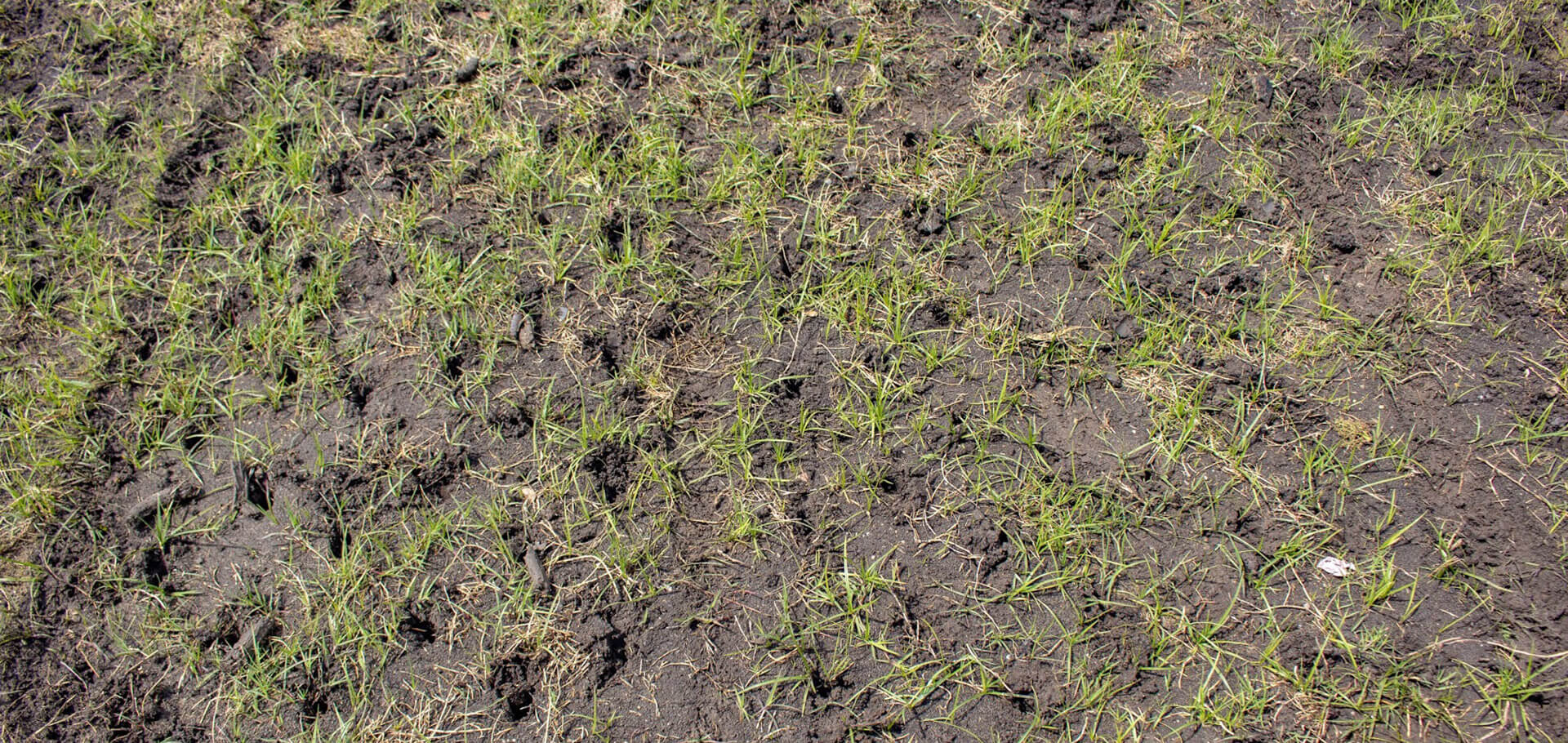
It’s not glamorous—your yard looks like it lost a mild argument with a goose—but this method works because it physically removes compaction rather than just treating it.
Learn more about our lawn care services to see how we handle core aeration for North Texas yards, including timing and follow-up care.
What Liquid Aeration Actually Does for Your Lawn
Liquid aeration is sprayed onto the lawn and helps water penetrate more evenly, loosens soil at a micro level, and improves nutrient movement throughout the root zone.
What it doesn’t do is physically remove compaction the way core aeration does.
Think of it this way: core aeration is opening a window. The liquid method is turning on a fan. According to Penn State’s agricultural research, liquid soil conditioners work best as a complement to mechanical treatments rather than a standalone solution.
Which Aeration Method Is Right for You?
If your soil is heavily compacted, go with core aeration first—it delivers the most direct relief.
If your lawn is already in decent shape, the liquid option can help maintain and improve efficiency between mechanical treatments.
For best results, use both at the right times. Check out our lawn care learning center for seasonal lawn maintenance tips.
Aeration Timing for North Texas Grasses
For warm-season grasses like Bermuda and St. Augustine, late spring through early summer is the ideal window. Our Frisco and DFW locations can help you schedule at the right time of year.
The Bottom Line on Lawn Aeration
Start with core aeration if your lawn is struggling. Add liquid treatments as part of an ongoing routine to improve results over time.
Ready to Fix the Soil Instead of Fighting It?
If your lawn feels like it’s working against you, proper aeration is often the first step. The reason your grass struggles is usually underground.
We can take a look, figure out what your soil needs, and handle it without guesswork.