If your lawn starts developing brown patches in the middle of a North Texas summer, you’re not alone. It tends to show up quickly, spread just enough to get your attention, and leave you wondering what exactly went wrong.
In most cases, you didn’t ruin anything. But something is off, and it’s worth figuring out early before the problem gets comfortable and settles in.
What’s Actually Causing the Brown Patches?
Most summer brown spots come down to a short list: heat stress, watering issues, or pests. They can look surprisingly similar at first, which is why guessing often leads to fixing the wrong thing.
How Heat and Drought Cause Brown Patch
North Texas summers are not subtle. When temperatures climb and stay there, grass shifts into survival mode.
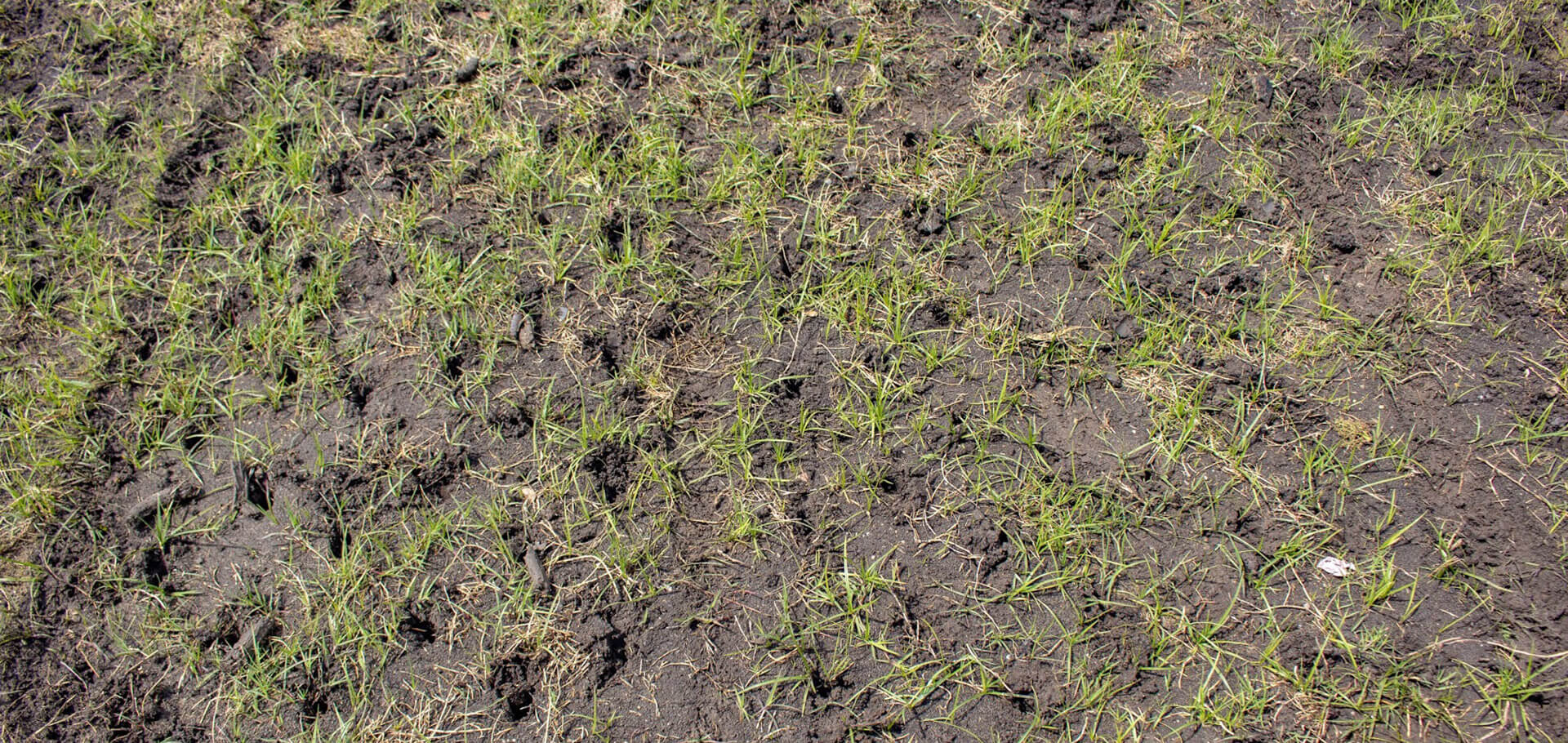
You’ll usually notice dry, brittle areas that don’t bounce back after being stepped on. That’s a sign the lawn isn’t getting enough deep, consistent moisture. Heat stress is one of the leading causes of brown patch in North Texas lawns during July and August.
Watering Problems That Trigger Brown Patch
Oddly enough, overwatering can look a lot like underwatering, depending on your turf type.
Too little water dries things out. Too much water keeps roots shallow and can stress the lawn in a different way.
The general rule is deep, infrequent watering—but clay soil makes that a little more nuanced.
If you notice water running off instead of soaking in, your soil may be compacted or simply absorbing water too slowly.
In that case, break watering into shorter cycles to give the soil time to absorb it. Clay holds water well once it gets in, it just takes its time getting there. Proper moisture management is one of the most effective ways to prevent brown patch from taking over your lawn.
What About Lawn Disease?
Fungal disease gets a lot of blame, but in the heat of summer, it’s usually not the main culprit.
Most lawn diseases prefer the milder, more humid conditions of spring and fall. Once temperatures really rise, disease pressure tends to drop off. True fungal brown patch typically appears as circular, tan-colored spots with a darker brown ring around the edge—if that’s what you’re seeing, it may be worth having a professional take a look.
Pests (Including the Ones You Don’t Expect)
Grubs and other insects can damage roots, which cuts off the grass from its water supply.
If the turf pulls up easily like loose carpet, something underneath is probably feeding on it.
But insects aren’t the only issue. Rabbits show up more than people expect in summer.
Turf holds moisture, which makes it a convenient snack. Between the chewing and the occasional bathroom break, they can leave behind brown patches that don’t make much sense until you know what you’re looking at. A pest control inspection can rule out insect damage as the source of your brown patch problem.
What You Can Do Next
Start simple. Check how you’re watering and watch how your lawn responds.
Look at the pattern. Dry, scattered spots usually point to watering issues. Areas that feel loose underfoot suggest pests.
If you see runoff, adjust your watering cycles. If you suspect animals, check early morning or dusk when they’re most active.
For persistent brown patch, consider having your soil tested or getting a professional lawn care evaluation to identify the exact cause and get targeted treatment.
The Bottom Line
Brown patches are your lawn’s way of asking for help, not a sign that it’s beyond saving.
Most of the time, it comes down to water management or something nibbling where it shouldn’t be.
Once you identify the cause, the fix is usually much simpler than it first appears. According to Texas A&M AgriLife Extension, proper watering practices are the single most important factor in maintaining a healthy lawn in North Texas summers.
Need a Second Set of Eyes?
Sometimes it helps to have someone who’s seen this play out a few hundred times.
We can take a look, pinpoint the issue, and get your lawn back on track without guesswork.